Wildlife and trees
Wildlife at Delamere Forest
Trees at Delamere Forest
Yew
Found all year round in the forest, the yew is one of the longest-lived native species in Europe, providing food and shelter for woodland animals.
Its evergreen, needle-like leaves grow in two rows along a twig and underneath, the needles each have a raised central vein.
Ash
Ash is one of the most common and beloved trees in the UK. Trees often grow together, forming a tall, domed canopy.
Ash is dioecious, meaning that male and female flowers typically grow on different trees. You'll spot the winged fruits of the pollinated female flowers, which fall from the tree during winter and early spring. Ash is also easily spotted in winter, with smooth twigs that have distinctive black, velvety leaf buds.
Hazel
With nuts that are eaten by people, squirrels and hazel dormice, the Hazel is a great source of food and shelter for many other creatures. It’s also home to lots of fungi, mosses and lichen.
Hazel supports lots of species of butterfly and ground-nesting birds, and with its bendy stems, it’s used for lots of weaving, thatching and even in gardening – it’s a conservation hero!
Silver birch
Birch trees are hardy, able to live in a range of temperatures, from as far south as Spain to as far north as Lapland. Birch woods (either downy, silver birch, or both) have a light, open canopy and thrive in dry woodlands, downs and heaths. Their open canopy also helps grasses, mosses, wood anemones, bluebells, wood sorrel and violets to grow.
Silver birch provides food and habitat for more than 300 insect species, as well as homes for nesting birds like woodpeckers.
Goat willow and Grey willow
Soft, silvery and found in damp woodland, the grey willow is where you'll find lots of caterpillars. They feed on its leaves and its fuzzy catkins feed pollinators early in the season. The goat willow is very similar to the goat willow, but its catkins look more like cat's paws, which is why it's also known as the 'pussy willow'.
Alder
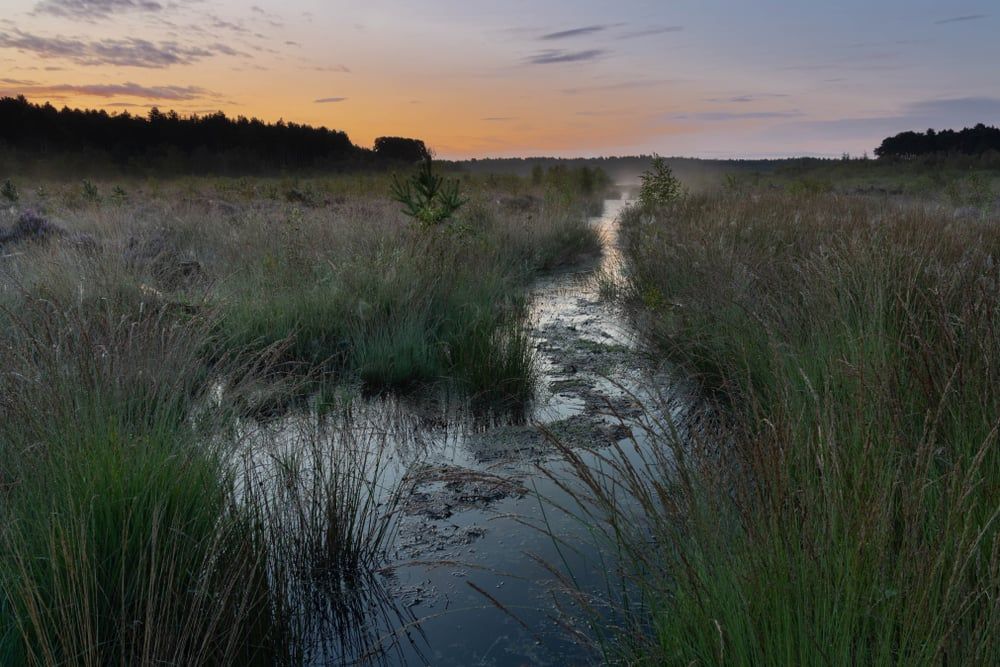
Alder's natural habitat is moist ground near rivers, ponds and lakes and it thrives in damp, cool areas such as marshes, wet woodland and streams where its roots help to prevent soil erosion. It can grow in drier locations and in mixed woodland too. The wet conditions found in alder woodland are ideal for a number of mosses, lichens and fungi, and provide food for many caterpillars and insects.
Supporting the forest
We’re more than just a holiday
Nestled within inspiring natural spaces, we offer a unique way to experience and enjoy the UK’s forests, helping you experience and reconnect with nature.
We look after the land we love for us all, protecting wildlife and helping to preserve the forest for the future. By putting nature centre-stage, we give you the best of the outdoors. A sense of freedom and a unique experience, where you feel connected to the forest and to each other. Because you don’t just visit the forest, you really feel it.
And once you’ve found that Forest Feeling, you’ll never let it go.
Let's look after what we love
Help to care for the wildlife around you in small, but important ways. You'll find it's as good for you as it is for nature!
Give nature a helping hand by....
- Creating habitat piles using old logs and branches
- Picking up any litter you see – the forest and wildlife will thank you for it
- Turning off the lights when they’re not in use to reduce energy use
- Using the bins provided to separate your waste and recycle properly