Wildlife and trees

What can you spot?
 
Red Deer
Listen out for the UK’s largest deer early in the morning and just before dusk. Watch as the stags gather in groups on hilltops or visit in September and October for the spectacular-to-see rutting season.


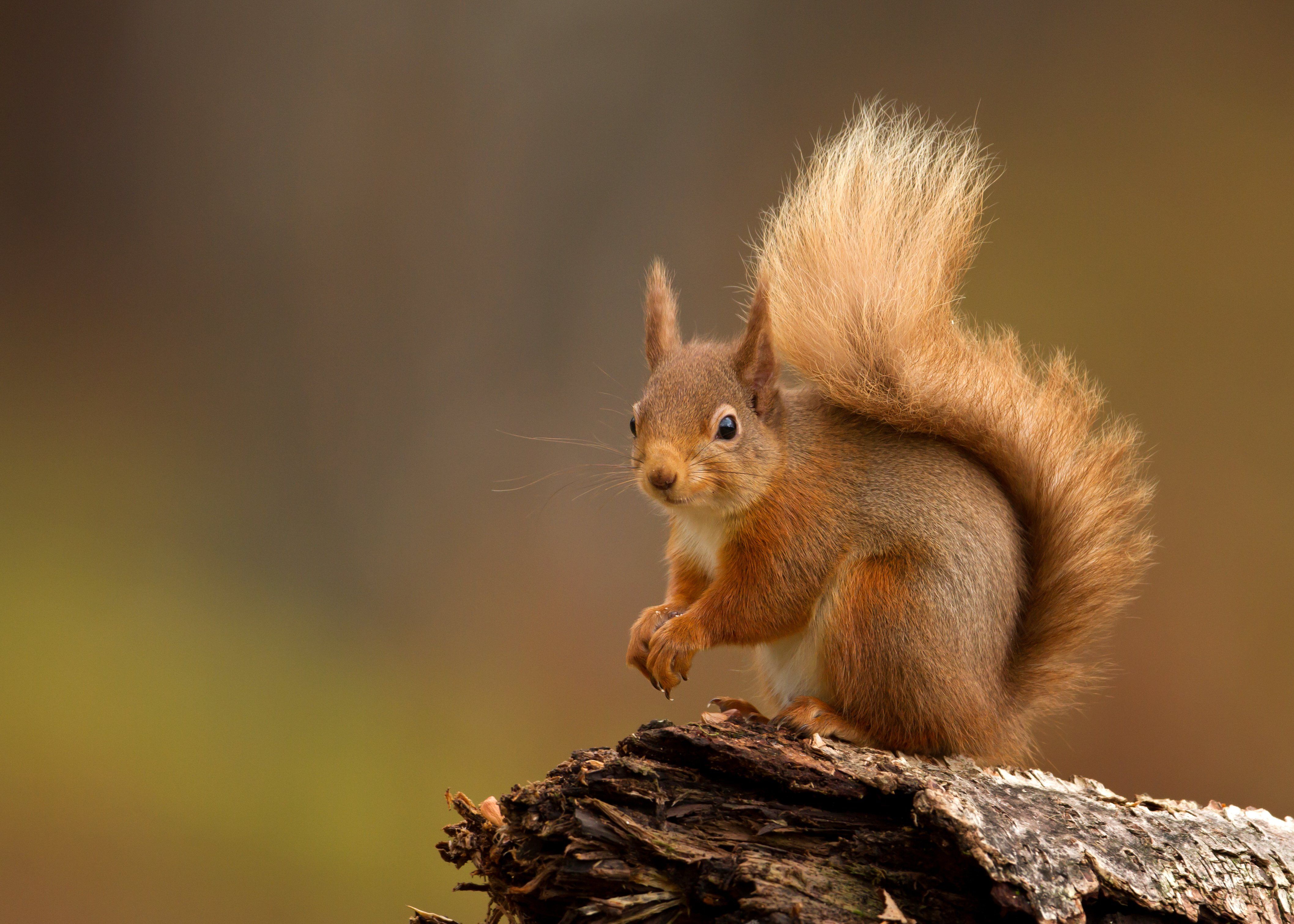
Red squirrel
Rare red squirrels are easy to spot with their tufty ears and russet coats. Most prominent in the winter months, the best time to watch them is morning or late afternoon.


Pine Marten
After years of decline the pine marten is making a comeback. Notice their long bushy tail, brown fur and creamy-yellow throat. If they get curious, you may even see them exploring your outdoor decking area.


Want to learn more about the wildlife here? Book onto a Forest Ranger experience and discover all the secrets of Strathyre!
Wildlife at Strathyre
Trees you'll find in the forest
 
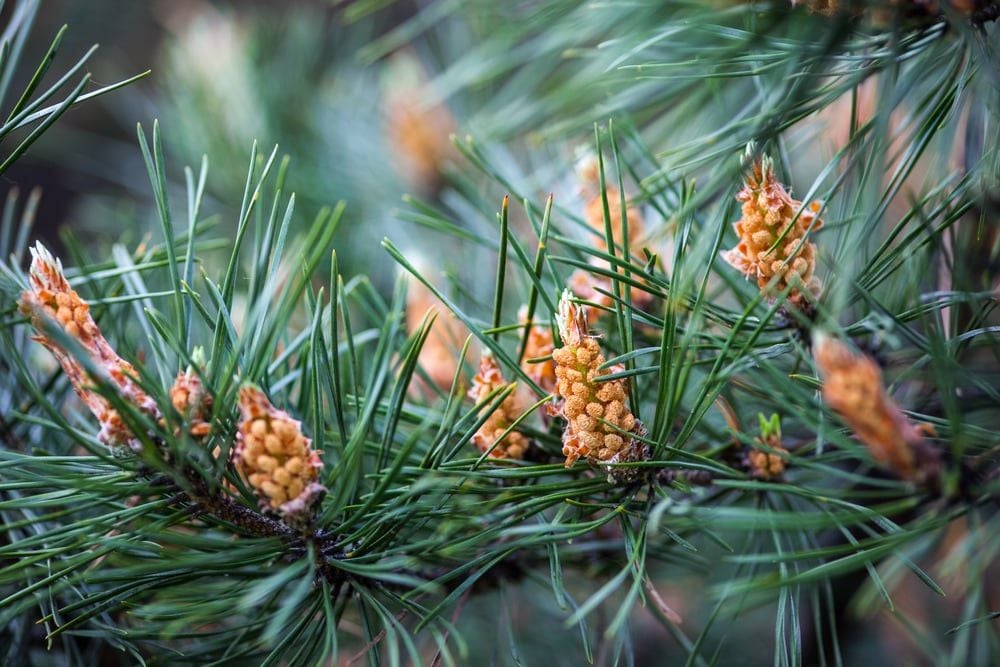
Scots pine
Scots pine is one of only three native conifers, and our only native pine. You'll spot this all-year round as its needle-like leaves are evergreen. It’s the perfect habitat for iconic Scottish wildlife such as the red squirrel, as well as animals like the pine marten and Scottish wildcat. Scots pines in southern England are also the main caterpillar foodplant for the pine hawk-moth.


Alder
Alder's natural habitat is moist ground near rivers, ponds and lakes and it thrives in damp, cool areas such as marshes, wet woodland and streams where its roots help to prevent soil erosion. It can grow in drier locations and in mixed woodland too.
 
The wet conditions found in alder woodland are ideal for a number of mosses, lichens and fungi, and provide food for many caterpillars and insects.


Hazel
With nuts that are eaten by people, squirrels and hazel dormice, the Hazel is a great source of food and shelter for many other creatures. It’s also home to lots of fungi, mosses and lichen.
 
Hazel supports lots of species of butterfly and ground-nesting birds, and with its bendy stems, it’s used for lots of weaving, thatching and even in gardening – it’s a conservation hero!


Hawthorn
This tree's blossom is a sure sign that spring is turning to summer. The pale green leaves are often the first to appear in spring, with an explosion of pretty pale-pink blossom in May.
 
Many species of moth caterpillars love feeding on common hawthorn, its flowers are eaten by dormice and they also provide nectar and pollen for bees and other pollinating insects. The dense, thorny foliage is great nesting shelter for many birds and the fruits, called haws, are rich in antioxidants. They’re eaten by migrating birds such as redwings, fieldfares and thrushes, as well as small mammals.


Wild Cherry
Wild cherry is native throughout the UK and Europe, except the far north, thriving in full sunlight. The spring flowers provide an early source of nectar and pollen for bees, while the cherries are eaten by birds like the blackbird and song thrush. Badgers and several species of mouse also love feasting on the fruits, while the cherry’s leaves are the main food plant for many moth caterpillars.
Trees at Strathyre

We’re more than just a holiday

Nestled within inspiring natural spaces, we offer a unique way to experience and enjoy the UK’s forests, helping you experience and reconnect with nature.

We look after the land we love for us all, protecting wildlife and helping to preserve the forest for the future. By putting nature centre-stage, we give you the best of the outdoors. A sense of freedom and a unique experience, where you feel connected to the forest and to each other. Because you don’t just visit the forest, you really feel it.

And once you’ve found that Forest Feeling, you’ll never let it go.


Let's look after what we love

Help to care for the wildlife around you in small, but important ways. You'll find it's as good for you as it is for nature!

Give nature a helping hand by....

  • Creating habitat piles using old logs and branches
  • Picking up any litter you see – the forest and wildlife will thank you for it
  • Turning off the lights when they’re not in use to reduce energy use
  • Using the bins provided to separate your waste and recycle properly
Supporting the forest