Wildlife and trees

What can you spot?
 
Red Fox
Scan the horizon and you may catch sight of a bushy tail belonging to a red fox. Stay with us in winter and see how the red fox becomes fluffier by growing extra fur to keep warm.


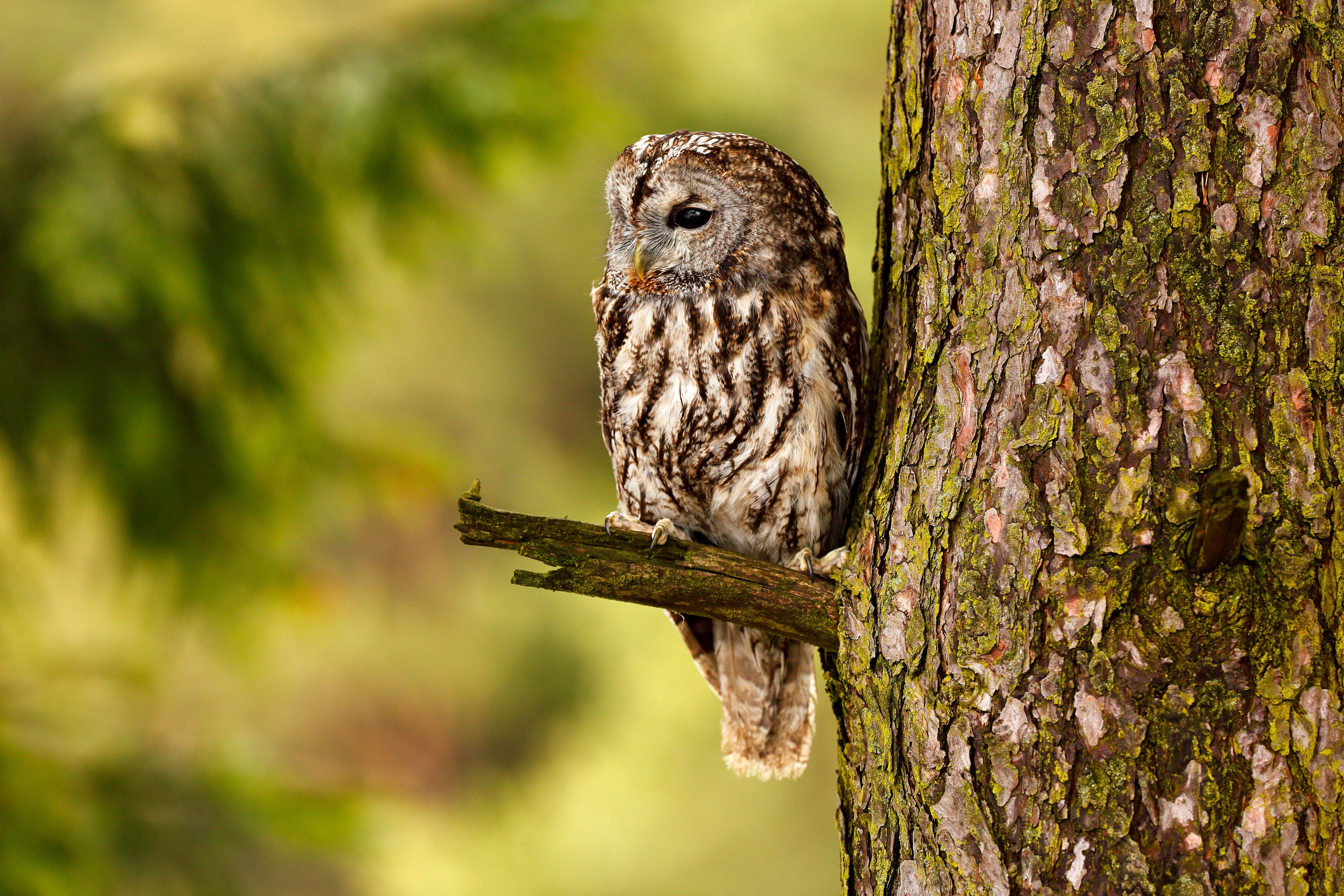
Tawny Owl
In winter the hooting of the nocturnal tawny owl fills the air, with their striking gingery-brown feathers standing out against the frosty forest backdrop. Watch as they hunt for mice and ‘talk’ to each other during the courting season.


Jay
Listen for the distinctive ‘screeching’ of the Eurasian jay, a colourful bird that’s a member of the crow family. Eurasian jays can hide up to 5000 acorns in preparation for winter.


Kingfisher
Near water? Look for the bright blue and orange plumage of the kingfisher. Watch as they stay close to the water's edge, ready to dive in and catch their lunch in their long, dagger-like bills.


Want to learn more about the wildlife here? Book onto a Forest Ranger experience and discover all the secrets of the forest!
Wildlife at Deerpark
Trees you'll find in the forest
 
Goat willow and Grey willow
Soft, silvery and found in damp woodland, the grey willow is where you'll find lots of caterpillars. They feed on its leaves and its fuzzy catkins feed pollinators early in the season. The goat willow is very similar to the goat willow, but its catkins look more like cat's paws, which is why it's also known as the 'pussy willow'.


Alder
Alder's natural habitat is moist ground near rivers, ponds and lakes and it thrives in damp, cool areas such as marshes, wet woodland and streams where its roots help to prevent soil erosion. It can grow in drier locations and in mixed woodland too. The wet conditions found in alder woodland are ideal for a number of mosses, lichens and fungi, and provide food for many caterpillars and insects.


Douglas Fir
Douglas fir is a much-loved tree in the UK, despite being a native American tree brought here in the 1800s. It’s a valuable timber source and provides homes for the likes of red squirrels and pine martens, especially in Scotland. It thrives in high rainfall areas, more in western UK areas and can live for more than a thousand years. Living so long, they provide lots of deadwood cavities that birds and bats can shelter in. They also make perfect nesting sites for larger birds of prey, such as buzzards, sparrowhawks and hobbies.

We’re more than just a holiday

Nestled within inspiring natural spaces, we offer a unique way to experience and enjoy the UK’s forests, helping you experience and reconnect with nature.

We look after the land we love for us all, protecting wildlife and helping to preserve the forest for the future. By putting nature centre-stage, we give you the best of the outdoors. A sense of freedom and a unique experience, where you feel connected to the forest and to each other. Because you don’t just visit the forest, you really feel it.

And once you’ve found that Forest Feeling, you’ll never let it go.


Let's look after what we love

Help to care for the wildlife around you in small, but important ways. You'll find it's as good for you as it is for nature!

Give nature a helping hand by....

  • Creating habitat piles using old logs and branches
  • Picking up any litter you see – the forest and wildlife will thank you for it
  • Turning off the lights when they’re not in use to reduce energy use
  • Using the bins provided to separate your waste and recycle properly
Supporting the forest