Wildlife and trees

What can you spot?
 
Tawny owl
In winter, the hooting of the nocturnal tawny owl fills the air, with their striking gingery-brown feathers standing out against the frosty forest backdrop. Watch as they hunt for mice and ‘talk’ to each other during the courting season.


Roe Deer
Stay quiet and you may just stumble across a roe deer in a forest glade. See its reddish grey-brown coat and short antlers. The roe deer is the most common type of deer found in the UK.


Badger
Head out into the forest at night for the best chance of spotting the elusive badger. On your nocturnal adventure look out for the black and white stripes that make this large mammal so distinctive.


Signs of ancient woodland
With its signature scent of wild garlic and beautiful carpet of bluebells, the Forest of Dean is bursting with life. In fact, both plants are signs that this forest has been around for a very long time. Take a moment to stop for the ultimate springtime photo (or a sniff of that delicious garlicky smell) and imagine all the ancient stories this forest could tell.


Pine martens
Pine martens have made a welcome return to the Forest of Dean! We're proud to have supported our partners at Forestry England and Gloucestershire Wildlife Trust with their pine marten reintroduction project. Being nocturnal animals, they can be difficult to spot, but if you do see one, note their characteristic pale yellow ‘bib’, which is unique to each individual animal.


Want to learn more about the wildlife here? Book onto a Forest Ranger experience and discover all the secrets of the Forest of Dean!
Wildlife at Forest of Dean
Trees you'll find in the forest
 
Hazel
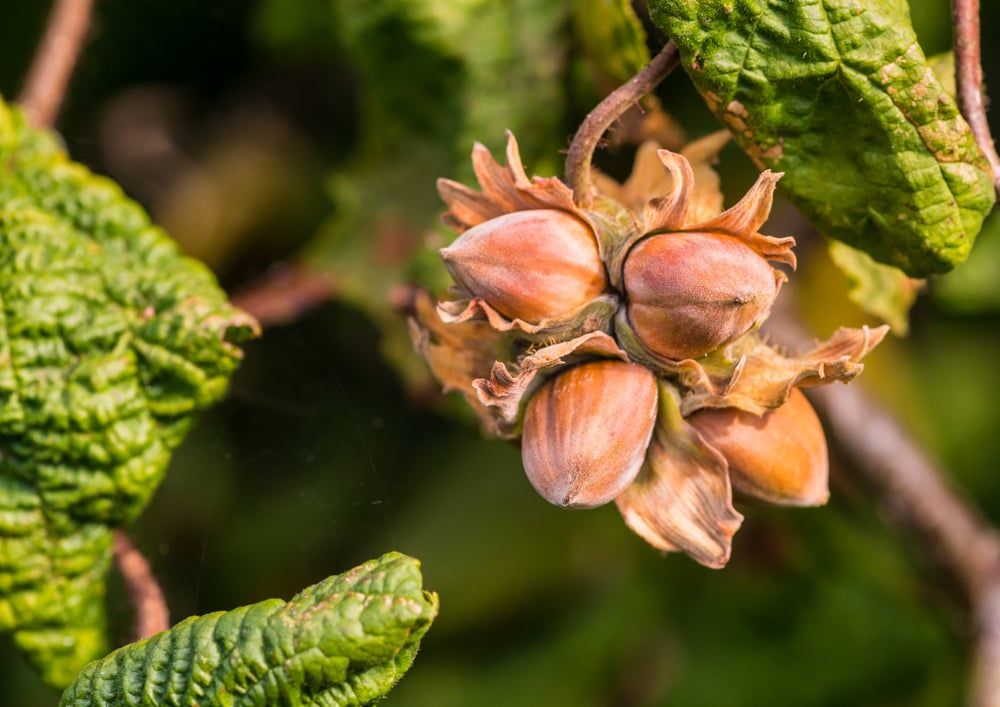
With nuts that are eaten by people, squirrels and hazel dormice, the Hazel is a great source of food and shelter for many other creatures. It’s also home to lots of fungi, mosses and lichen.
 
Hazel supports lots of species of butterfly and ground-nesting birds, and with its bendy stems, it’s used for lots of weaving, thatching and even in gardening – it’s a conservation hero!


Oak
Oak supports more life than any other native tree in the UK – and they're found throughout the country. They're home to hundreds of insect species, supplying many birds and bats with an important food source, as well as creating shelter. Oaks actually shorten with age to help extend their lifespan!


Birch
Birch trees are hardy, able to live in a range of temperatures, from as far south as Spain to as far north as Lapland. Birch woods (either downy, silver birch, or both) have a light, open canopy and thrive in dry woodlands, downs and heaths. Their open canopy also helps grasses, mosses, wood anemones, bluebells, wood sorrel and violets to grow.
 
Silver birch provides food and habitat for more than 300 insect species, as well as homes for nesting birds like woodpeckers.


Douglas Fir
Douglas fir is a much-loved tree in the UK, despite being a native American tree brought here in the 1800s. It’s a valuable timber source and provides homes for the likes of red squirrels and pine martens, especially in Scotland.
 
It thrives in high rainfall areas, more in western UK areas and can live for more than a thousand years. Living so long, they provide lots of deadwood cavities that birds and bats can shelter in. They also make perfect nesting sites for larger birds of prey, such as buzzards, sparrowhawks and hobbies.
Trees at Forest of Dean

We’re more than just a holiday

Nestled within inspiring natural spaces, we offer a unique way to experience and enjoy the UK’s forests, helping you experience and reconnect with nature.

We look after the land we love for us all, protecting wildlife and helping to preserve the forest for the future. By putting nature centre-stage, we give you the best of the outdoors. A sense of freedom and a unique experience, where you feel connected to the forest and to each other. Because you don’t just visit the forest, you really feel it.

And once you’ve found that Forest Feeling, you’ll never let it go.


Let's look after what we love

Help to care for the wildlife around you in small, but important ways. You'll find it's as good for you as it is for nature!

Give nature a helping hand by....

  • Creating habitat piles using old logs and branches
  • Picking up any litter you see – the forest and wildlife will thank you for it
  • Turning off the lights when they’re not in use to reduce energy use
  • Using the bins provided to separate your waste and recycle properly
Supporting the forest