Wildlife and trees

What can you spot?
 
Barn Owl​
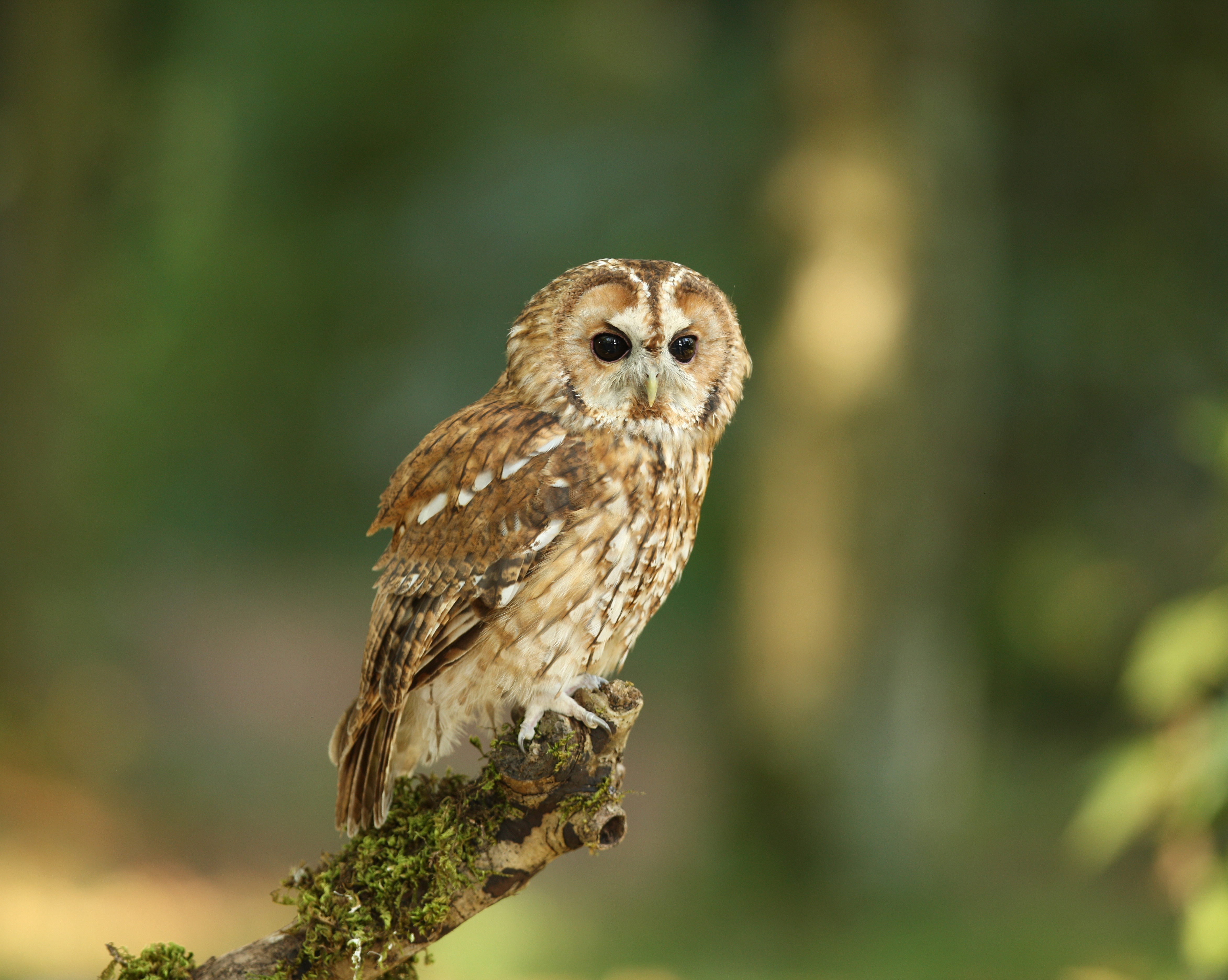
Search the skies for barn owls at night when they hunt for field voles. Notice their distinctive heart shaped face as they glide silently through the trees.


​Fallow Deer ​
These woodland natives have chestnut coats with white spots. The males shed their antlers by June and in the autumn the male and female herds meet for the rutting season.


Roe Deer
Stay quiet and you may just stumble across a roe deer in a forest glade. See its reddish grey-brown coat and short antlers. The roe deer is the most common type of deer found in the UK.


Buzzard
Listen out for the buzzard, a powerful bird whose call sounds like a meowing cat. The buzzard is the UK’s most common bird of prey and is known for its broad, rounded wings.


Want to learn more about the wildlife here? Book onto a Forest Ranger experience and discover all the secrets of the forest!
Wildlife at Thorpe Forest
Trees you'll find in the forest
 
Corsican Pine
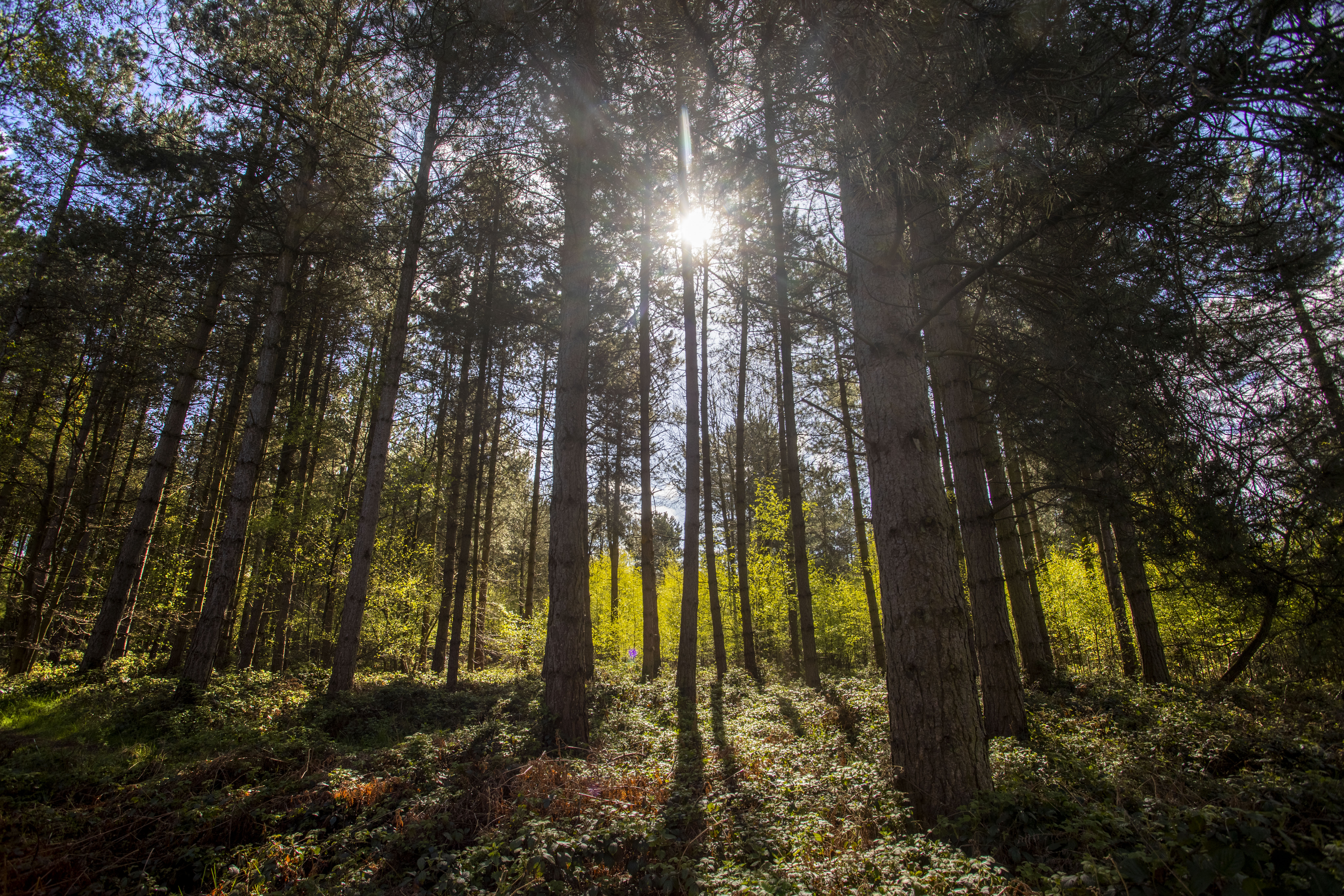
Also known as Black Pine, Corsican pine plantations offer shelter to birds, deer and small mammals. A variety of birds are attracted to the black pine to this tree to feed on the seeds. Spot the colourful cones on these large trees in May, with red female and yellow male cones.


Rowan
With bark that’s smooth and silvery grey, rowan is also known as the mountain ash. It was widely planted years ago as a protection against witches! Flowers provide pollen and nectar for bees and other pollinating insects, while the berries are a rich source of autumn food for many bird species.


Oak
Oak supports more life than any other native tree in the UK – and they're found throughout the country. They're home to hundreds of insect species, supplying many birds and bats with an important food source, as well as creating shelter. Oaks actually shorten with age to help extend their lifespan!


Goat willow and Grey willow
Soft, silvery and found in damp woodland, the grey willow is where you'll find lots of caterpillars. They feed on its leaves and its fuzzy catkins feed pollinators early in the season.
 
The goat willow is very similar to the goat willow, but its catkins look more like cat's paws, which is why it's also known as the 'pussy willow'.
Trees at Thorpe Forest

We’re more than just a holiday

Nestled within inspiring natural spaces, we offer a unique way to experience and enjoy the UK’s forests, helping you experience and reconnect with nature.

We look after the land we love for us all, protecting wildlife and helping to preserve the forest for the future. By putting nature centre-stage, we give you the best of the outdoors. A sense of freedom and a unique experience, where you feel connected to the forest and to each other. Because you don’t just visit the forest, you really feel it.

And once you’ve found that Forest Feeling, you’ll never let it go.


Let's look after what we love

Help to care for the wildlife around you in small, but important ways. You'll find it's as good for you as it is for nature!

Give nature a helping hand by....

  • Creating habitat piles using old logs and branches
  • Picking up any litter you see – the forest and wildlife will thank you for it
  • Turning off the lights when they’re not in use to reduce energy use
  • Using the bins provided to separate your waste and recycle properly
Supporting the forest