Wildlife and trees

What can you spot?
 
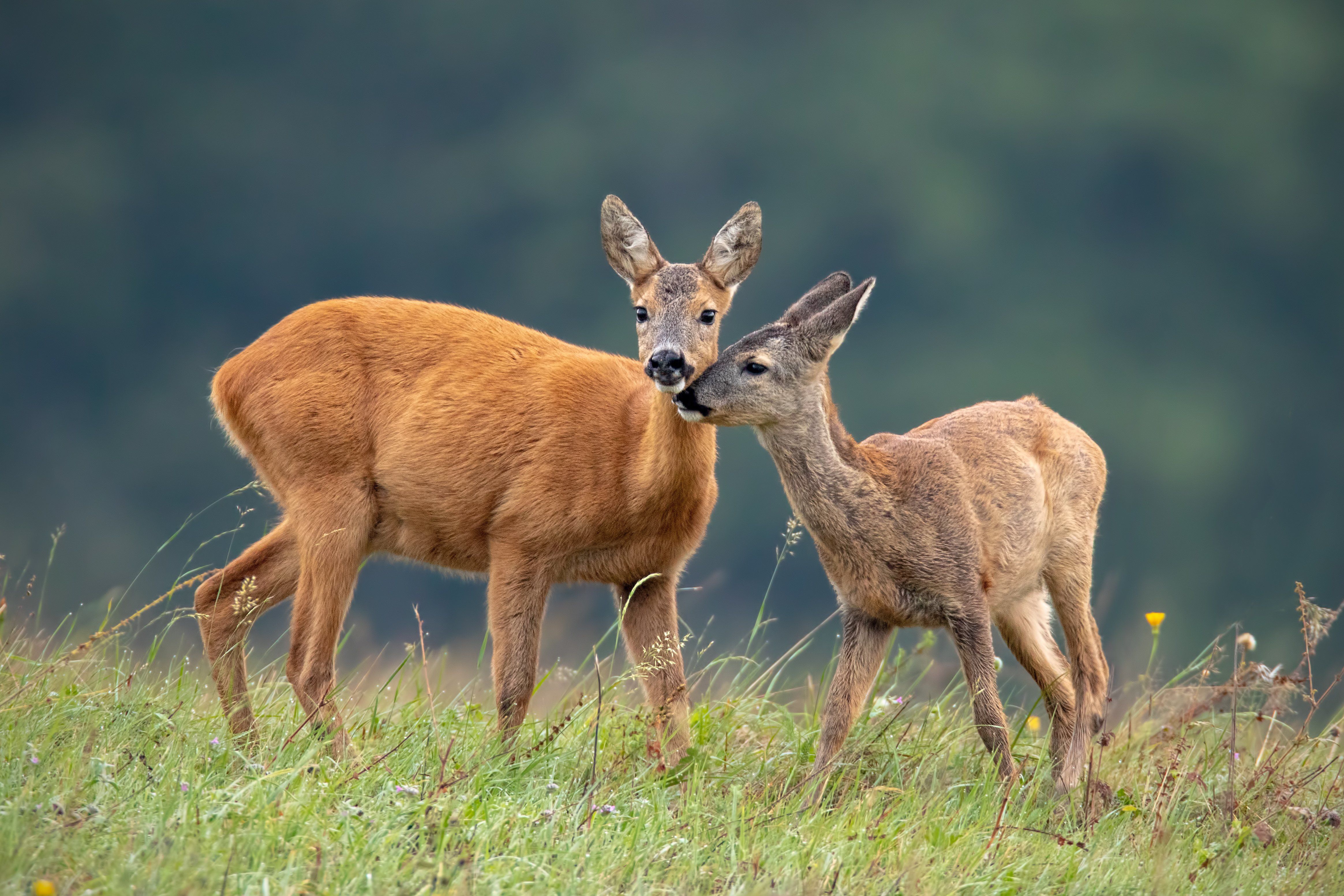
Roe Deer
Stay quiet and you may just stumble across a roe deer in a forest glade. See its reddish grey-brown coat and short antlers. The roe deer is the most common type of deer found in the UK.


Tawny Owl
In winter the hooting of the nocturnal tawny owl fills the air, with their striking gingery-brown feathers standing out against the frosty forest backdrop. Watch as they hunt for mice and ‘talk’ to each other during the courting season.


Wildflowers
Take a moment to enjoy the beautiful wild blooms along the edges of Cropton's limestone tracks. From deep purple bugles and bright yellow buttercups to foxgloves and primroses, these wildflowers create a picture-perfect, natural rainbow of colour.
 
In Cropton's meadows, remember to look for a glimpse of bird's foot trefoil (nicknamed ‘eggs and bacon’ for the yellow and orange colouring of its flowers).


Want to learn more about the wildlife here? Book onto a Forest Ranger experience and discover all the secrets of the forest!
Wildlife at Cropton
Trees you'll find in the forest
 
Sitka Spruce
With needle-like leaves that are sharp, straight and flattened, the Sitka Sprice is much more prickly than the similar Norway Spruce. Sitka spruce trees grow close together, forming a dense canopy which few plants can grow beneath. This dense foliage provides cover from the wind and rain for larger mammals, while birds of prey and smaller birds, such as crossbill, tree creeper, coal tit and siskin, can use it for nesting.


Scots pine
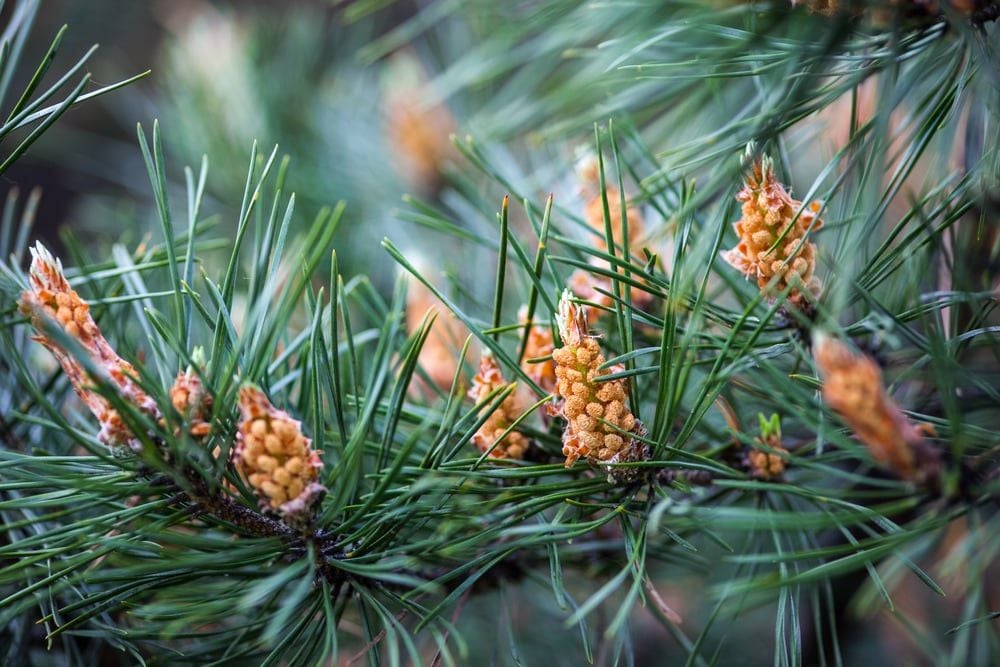
Scots pine is one of only three native conifers, and our only native pine. You'll spot this all-year round as its needle-like leaves are evergreen. It’s the perfect habitat for iconic Scottish wildlife such as the red squirrel, as well as animals like the pine marten and Scottish wildcat. Scots pines in southern England are also the main caterpillar foodplant for the pine hawk-moth.


Birch
Birch trees are hardy, able to live in a range of temperatures, from as far south as Spain to as far north as Lapland. Birch woods (either downy, silver birch, or both) have a light, open canopy and thrive in dry woodlands, downs and heaths. Their open canopy also helps grasses, mosses, wood anemones, bluebells, wood sorrel and violets to grow.
 
Silver birch provides food and habitat for more than 300 insect species, as well as homes for nesting birds like woodpeckers.
Trees at Cropton

We’re more than just a holiday

Nestled within inspiring natural spaces, we offer a unique way to experience and enjoy the UK’s forests, helping you experience and reconnect with nature.

We look after the land we love for us all, protecting wildlife and helping to preserve the forest for the future. By putting nature centre-stage, we give you the best of the outdoors. A sense of freedom and a unique experience, where you feel connected to the forest and to each other. Because you don’t just visit the forest, you really feel it.

And once you’ve found that Forest Feeling, you’ll never let it go.


Let's look after what we love

Help to care for the wildlife around you in small, but important ways. You'll find it's as good for you as it is for nature!

Give nature a helping hand by....

  • Creating habitat piles using old logs and branches
  • Picking up any litter you see – the forest and wildlife will thank you for it
  • Turning off the lights when they’re not in use to reduce energy use
  • Using the bins provided to separate your waste and recycle properly
Supporting the forest