2026 stargazing calandar
Plan your break around the stars
Book a log cabin with hot tub at Forest of Dean, Thorpe Forest, Keldy, or Cropton, which all have lodges in less wooded areas. Ardgartan Argyll and Strathyre too, offer open views across the lochs. All our locations have a night-time darkness you will never experience in a city or town.
Did you know?
- Every full moon has a name, relating to the farming year. We have given you the British names here but sometimes you may hear the American names.
- A new moon (when all you can see is a crescent) is best for stargazing because it gives out less light and makes it easier to see everything else.
- There are three supermoons in 2026 - when the full moon appears larger than usual because it is closer to earth.
Of course, there’s one factor that has a large bearing on what you can see – the weather. Specifically, clouds. Plan your stargazing around a Forest Holidays break and, if it’s cloudy, rather than standing in the cold, you will be able to simply relax in your hot tub and hope for a break in the clouds.

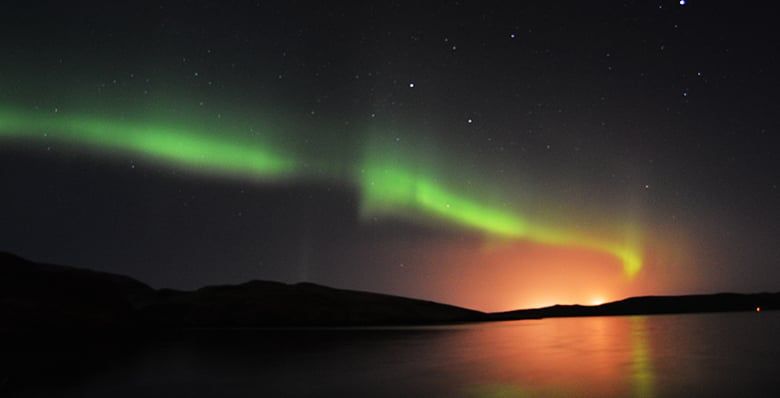
Northern Lights
January stargazing highlights
- 3/4 January 2026: Quadrantids Meteor Shower - One of the strongest annual showers with potential for bright meteors. Peak is short and best viewed after midnight into early morning - but a near-full Moon may reduce numbers you see.
- 10 January 2026: Jupiter at Opposition. Jupiter shines at its brightest and is visible all night, great for binoculars/telescopes to watch its cloud bands and moons
- 18 January 2026: New Moon, ideal for deep-sky objects, faint stars and Milky Way photography
- 25 January 2026: First Quarter Moon
February stargazing highlights
- 17 February 2026: New Moon. Best darkness for deep-sky observing this month
- 19 February 2026: Best Evening to Spot Mercury. Mercury reaches a favourable evening position shortly after sunset (with a thin crescent Moon nearby) - low on the western horizon
March stargazing highlights
- 3 March 2026: Full Moon, called the Worm Moon
- 19 March 2026: New Moon. Excellent darkness for spotting star clusters from your hot tub
- 20 March 2026 / March Equinox: Equal day and night; spring begins across the UK. The March equinox occurs at 14:46 UTC. The Sun will shine directly on the equator and there will be nearly equal amounts of day and night throughout the world
Keep an eye out for star-studded events hosted between February and March by Forestry England as part of The National Parks Dark Skies Festivals

Supermoon
April stargazing highlights
- 2 April 2026: Full Moon, called the Pink Moon
- 18 April 2026: New Moon - the best time for stargazing
- 21/22 April 2026: Lyrids Meteor Shower Peak. Regular shower with ~15–20 meteors per hour at peak. Best seen after midnight and before dawn
May stargazing highlights
- 6 May 2026: Eta Aquariids Meteor Shower. Up to ~30 meteors per hour, visible before dawn under dark skies
- 17 May 2026: New Moon - the best time for stargazing
- 1/31 May 2026: Full Moons. Two full moons this month, the second on 31 May is a Blue Moon by the “second full moon in a month” definition
June stargazing highlights
- 9 June 2026: Venus-Jupiter Close Pairing - a nice early evening conjunction visible across the UK
- 15 June 2026: New Moon - the best time for stargazing
- 21 June 2026: Summer Solstice

Mercury
July stargazing highlights
- 14 July 2026: New Moon - the best time for stargazing
- 30 July 2026: Delta Aquariids Meteor Shower - A steady shower with ~20 meteors/hour; best after midnight
August stargazing highlights
- 12-13 August 2026: Perseids Meteor Shower Peak. The year’s most spectacular shower with rates often >100 meteors/hour under dark skies
- 12 August 2026: New Moon - the best time for stargazing
- 28 August 2026: Full Moon, called the Sturgeon Moon
September stargazing highlights
- 11 September 2026: New Moon - the best time for stargazing
- 23 September 2026: September Equinox. The Sun will shine directly on the equator and there will be nearly equal amounts of day and night throughout the world
- 26 September 2026: Neptune at Opposition. Neptune reaches its brightest (still faint), best seen with binoculars/telescope
- 26 September 2026: Full Moon, called the Harvest Moon

Neptune
October stargazing highlights
- 4 October 2026: Saturn at Opposition. Saturn is at its brightest and easiest to see this year, ideal for ring observation
- 9 October 2026: Draconids Meteor Shower - usually modest but sometimes produces bright, slow meteors
- 10 October 2026: New Moon – great for stargazing
- 21 October 2026: Orionids Meteor Shower - a reliable shower with ~15–20 meteors/hour after midnight
- 26 October: Full Moon, known as the Hunter’s Moon
November stargazing highlights
- 9 November 2026: New Moon – great for stargazing
- 10-20 November 2026: Northern Taurids Meteor Shower. A long-running minor shower with slow, bright meteors
- 17 November 2026: Leonids Meteor Shower Peak. A consistent, modest shower with potential bright meteors
- 24 November 2026: Full Moons, also known as Beaver Moon
December stargazing highlights
- 9 December 2026: New Moon – great for stargazing
- 13/14 December 2026: Geminids Meteor Shower Peak. One of the best showers of the year, up to ~120 meteors/hour under ideal dark skies
- 21 December 2026: Winter Solstice
- 22 December 2026: Ursids Meteor Shower Peak. Only 5-10 shooting stars per hours but close to the new moon, increasing your chances of seeing a Christmas shooting star.
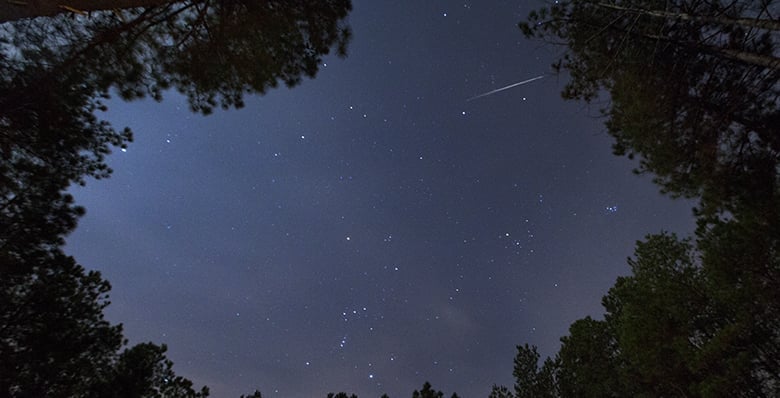
Geminids
Reach for the stars
Cross stargazing-in-style off your bucket list. All you need to do is pick the celestial event you want to see most, choose a cabin at one of our stunning pet-friendly UK locations, and wait for the show to begin.
Happy stargazing!


