The Big Butterfly Count is on!
Mini scientists and wildlife lovers, we need you!
After last year’s Big Butterfly Count 2024, Butterfly Conservation have declared a butterfly emergency – and they need our help. By taking part in their Big Butterfly Count – a UK-wide survey, and the world’s biggest – you can help assess the health of our environment. And all you need to do is count butterflies!
Explore the forest on your stay and see what native butterflies you can spot, recording them for the nationwide count and becoming a citizen scientist. Once you’ve mastered it, why not make a few more counts in different places while you’re out and about in nature?

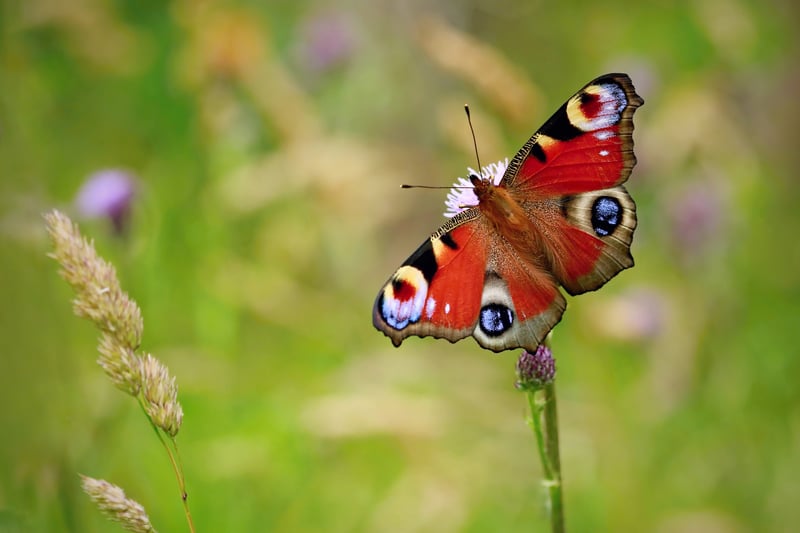
Colorful peacock butterfly, Inachis io, sitting on purple thistle flower.
Why count butterflies and day-moths?
Butterflies are not only a beautiful sight in our gardens, parks and woodlands, but they’re also vital to ecosystems as pollinators and food for other wildlife. But their numbers are declining, and it’s a wider warning about our delicate ecosystem that we can’t ignore. Butterflies react quickly to environmental changes, so they’re often an early indicator of broader environmental issues and wildlife loss. If butterfly numbers are falling, nature is in trouble. But if we can understand what’s threatening them – from climate change to pesticide use – we can help to look after them and hopefully reverse the decline. By taking part in butterfly counts, we all become citizen scientists, playing a crucial role in gathering data that helps ecologists to plan protection strategies for butterflies and other wildlife. It’s taking the pulse of nature on a big scale!
Read more about the Big Count Shape
How to take part
Whether you’re at home, in the park or at one of our locations, here’s how you can get involved in the count:
- Visit the Big Butterfly Count website, where you can also download their app
- Choose your spot, preferably on a bright day – sunshine’s even better. Watch this area for 15 minutes and count how many butterflies and moths you see. Note down each species.
- Add your counts onto the website or app see how your data is contributing to conservation science and research across the UK!
You can download the app and print off a handy butterfly identifier chart, from the Big Butterfly Count website.
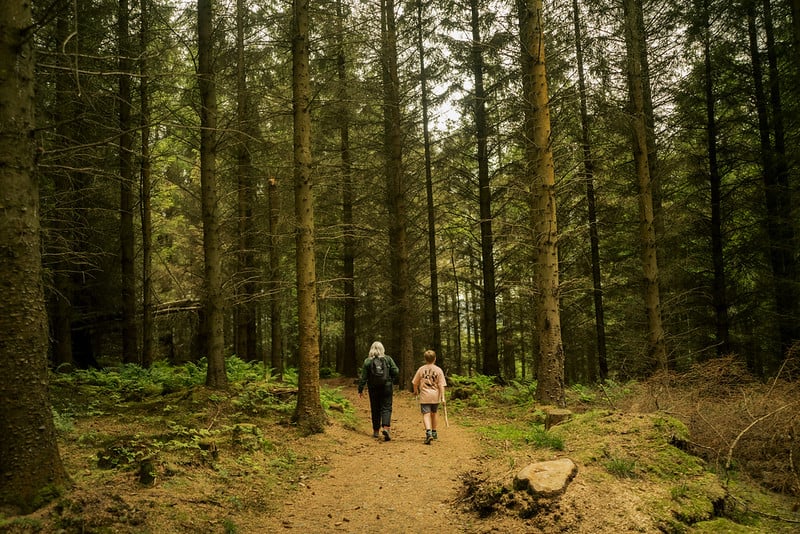
One of our Forest Ranger's with guests in forest.
Our Forest Rangers – your in-forest experts
Unique to Forest Holidays, our Forest Rangers help to shine a spotlight on each of our forests. They help to monitor wildlife, care for their habitats, and create one-of-a-kind adventures built around the forest they know so well. They’ll be doing lots this summer to showcase butterflies and day-moths, and even running their own butterfly counts to show you how it’s done!
With them you can explore the forest, find out which plants the native butterflies love to visit, and see what you can spot – then record them for the Big Butterfly Count.
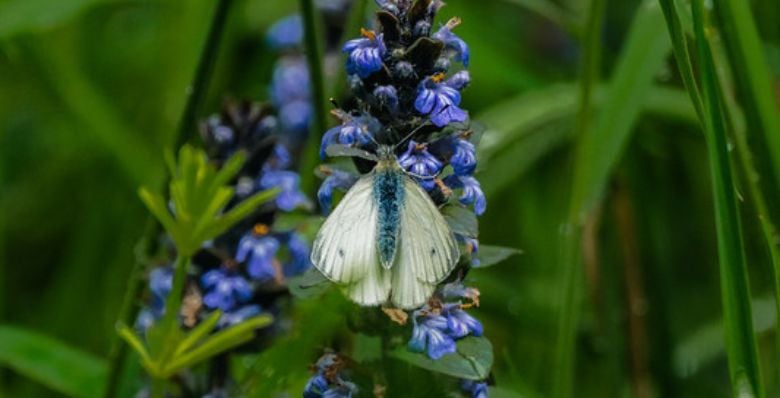
Credit: Alex Bowden.
Nature on your doorstep
You can take part in counting butterflies and day-moths anywhere! Make as many counts as you can in different places – from parks and huge forests to your own front garden.
Create butterfly-friendly spaces in your own garden
Plant some native wildflowers
Growing a variety of flowers helps some insects to get their ‘five-a-day’ of different pollen and nectar. There’s nothing better than plants full of fluttering visitors, while you sit back and enjoy the view.
Create a wild patch in your garden
Extend ‘No Mow May’ across the summer and leave a section of grass unmown! Plants and grasses will flower and seed, giving shelter and food to insects and birds. Check out more things you can do to help butterflies and other wildlife in your garden!
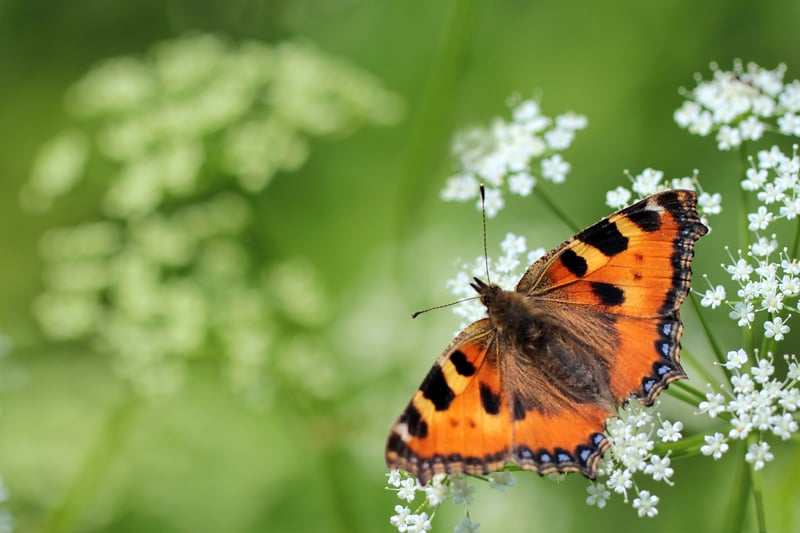
Small tortoiseshell (Aglais urticae) on a meadow.