Creating a nature positive future
We embrace our responsibility for the environment
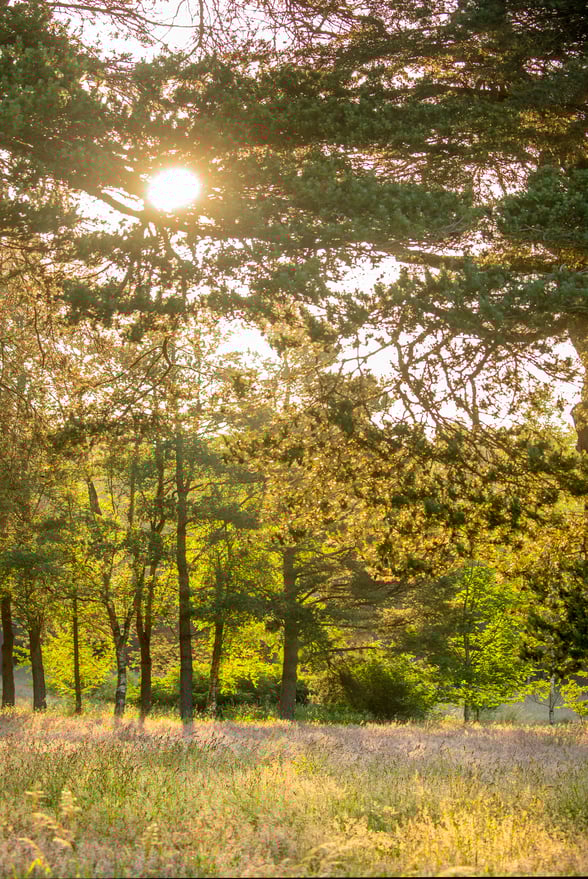
Over 80% of the land Forest Holidays occupies is managed for conservation. Protecting the environment is about understanding how our actions today will impact on the future. That’s why careful planning and a long-term biodiversity enhancement strategy are so important. We’re passionate and proud about the work we’re doing.
Deeply rooted in nature
We're passionate and proud about the work we're doing. We believe in the principle of 'biodiversity net gain' which means that our presence in the forest should go further than simply ensuring that biodiversity is unaffected. Instead, we enchance habitats to increase biodiversity and make nature-positive decisions that bring long-term benefits to the forest.
The forest's future is ours, too
We want to reduce our carbon footprint, and look at new ways to conserve and protect land and wildlife. We work closely with our local partners, Forestry England, Forestry and Land Scotland and Natural Resources Wales to help forests thrive, so that they're better than ever for future generations.
A grounded approach
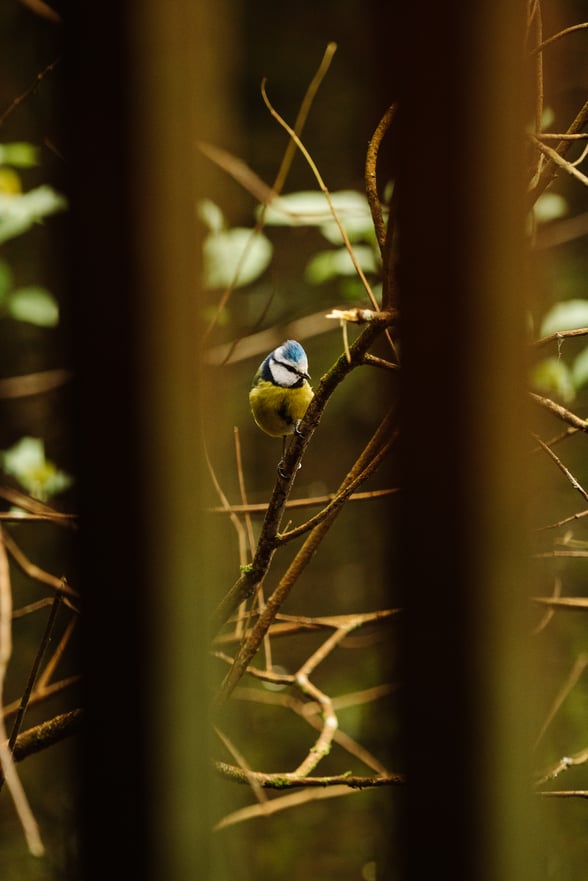
We look after 273.9 hectares of land through our land management plans and record the wildlife at our locations. The work our teams, incredible Forest Rangers and partnerships do to protect wildlife is core to our holiday experience and fundamental to our long-term partnerships.
Our Nature goals
Becoming a B Corp doesn’t mean we can stop and admire the view. We’re committed to protecting and enhancing habitats in each of our locations to support native species. This contributes to a Nature Positive UK and supports the Global Goal for Nature.
- Aim to deliver an average Biodiversity Net Gain (BNG) of 15% across all new locations.
- Create Nature Positive or Recovery targets (Biodiversity action plans) for all locations and set targets by 2025.
- Help our guests, partners and team actively reconnect with nature through our forest locations.
- Support Nature Positive conservation projects in the UK - outside of our location boundaries – including our partnership with Forestry England to improve biodiversity in Kielder Forest, Northumberland.
We look after what we love
We’ve always done business differently. At each of our locations, we make sure we only add good things and take nothing away.
We’re unique in our commitment to sustaining the nation's forests, ensuring long-term positive benefits to the woodlands, surrounding areas and communities while carefully balancing purpose with profit. But we know we can, and want to, do better.
Follow our progress so far and read our Positive Impact Report.
Supporting conservation projects
We’ve planted over 2,500 trees, continued the meadow management of more than 20 hectares and created wildlife habitat piles Our Conservation Fund and volunteered Forest Ranger hours have supported projects such as the Meres and Mosses near Delamere Forest, Veteran Oak Trees near Sherwood and Saving Spanish Catchfly near Thorpe Forest.
We’ve encouraged our guests to take part in Citizen Science projects including Butterfly Conservation’s ‘Big Butterfly Count’, RSPB’s ‘Big Garden Birdwatch’ and Scottish Wildlife Trust’s ‘Saving Scotland’s Red Squirrels’.
We understand the importance of leaving nature alone too - that’s why we’ve left standing deadwood across our locations, acknowledging its role within forest ecosystems. Along with Forestry England we’ve monitored the nature recovery, natural regeneration and species distribution in a section of felled douglas fir trees. So far we’ve seen a net increase in biodiversity and a more varied woodland structure is developing.
Our conservation fund in action
Butterfly enhancement project
Blackwood Forest, Hampshire: In partnership with Forestry England and Butterfly Conservation. The project in Basing Wood, Hampshire, has enhanced access for the local community, expanded wildlife habitat and improved public understanding of, and engagement with, wildlife conservation.
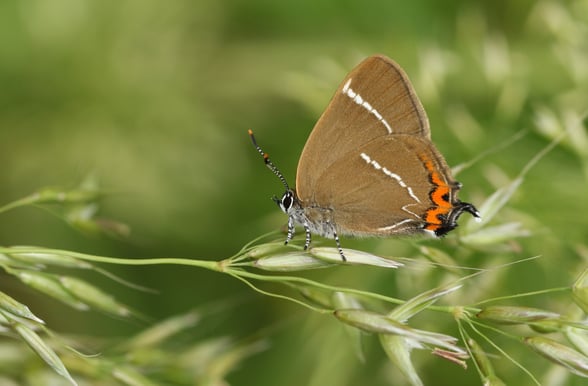
Species supported: The project encourages a mix of butterflies, including the white-letter hairstreak, white admiral, purple emperor and grizzled skipper.
Our work includes:
- Tree felling and scrub management along butterfly and moth wildlife corridors
- Creating small glades within the woodland
- Management of forest meadows
- Disease-resistant elm planting to benefit the white letter hairstreak
- Ongoing monitoring of butterflies
- Re-energising the local conservation volunteer network
Veteran tree protection
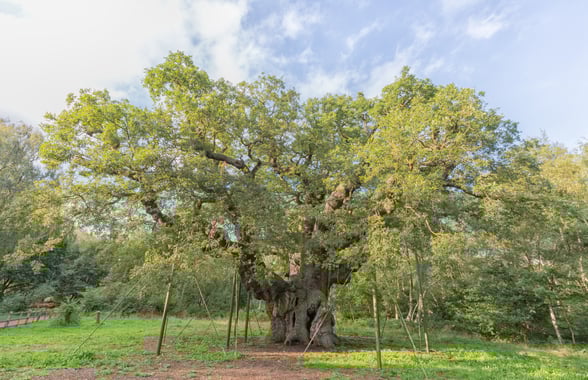
Sherwood Forest, Nottinghamshire: In partnership with Forestry England and local volunteers. Veteran trees provide valuable habitat that has existed for centuries and their protection is vital.
Species supported: Parts of Sherwood Forest contain some of the oldest oak trees in the country. This project is prolonging the health and vigour of the veteran oak trees and their associated and important saproxylic invertebrate populations within the Birklands Forest NNR & SSSI, approximately one mile from our Sherwood Forest location.
Our work includes:
- Re-haloing veteran trees
- Re-tagging every veteran tree
- Tree health assessments of the most at-risk veteran trees to identify arboricultural work needed
- Carrying out arboricultural work on veteran oaks –phased over the next five years
- Removing invasive turkey oak
- Re-energising the local conservation volunteer network
Supporting a step-change for nature recovery
We’re Forestry England’s first major biodiversity corporate partner, supporting them in landscape-scale change for nature recovery.
Our five-year partnership in Kielder Forest, Northumberland will track how the biodiversity will change over time using innovative environmental DNA (eDNA) metabarcoding technology and pave the way for new conservation work to restore natural processes so that wildlife can thrive and expand.
Supporting this science-led approach to improving biodiversity will give Forestry England the ability to create a step-change for wildlife in this country, tailor nature recovery interventions and explore opportunities to revolutionise the way we think about forest ecosystems.
We're committed to a programme of ecology monitoring and surveys
The rare species of the long-eared owl is thought to have declined significantly in the past century, but now funding from Forest Holidays' Conservation Fund is supporting Forestry England and the Hawk and Owl Trust in a major survey of the birds across South West forests.
Find out more about the project and the work being done to educate people about these rare species and their surroundings.